USB Signal Integrity

USB Reclocker

Isolated, retimed USB with an optional AES/EBU output path.

A USB conditioning stage built around high-speed USB isolation, regenerated USB handoff, and a precision OCXO clock reference, available with USB output or an AES/EBU output option for systems that want AES after reclocking.

USB Reclocker hero view
What it does

A cleaner USB link before conversion

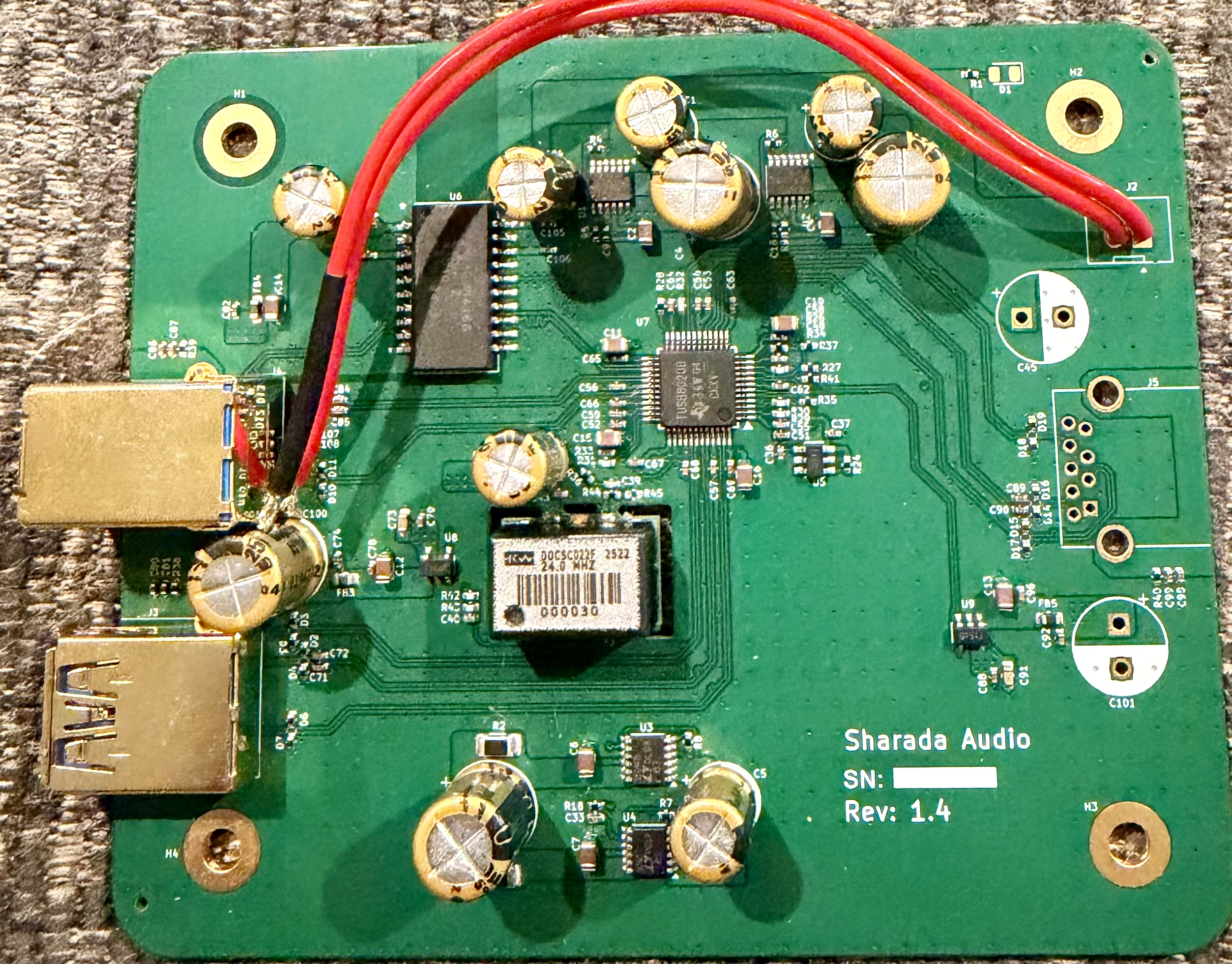
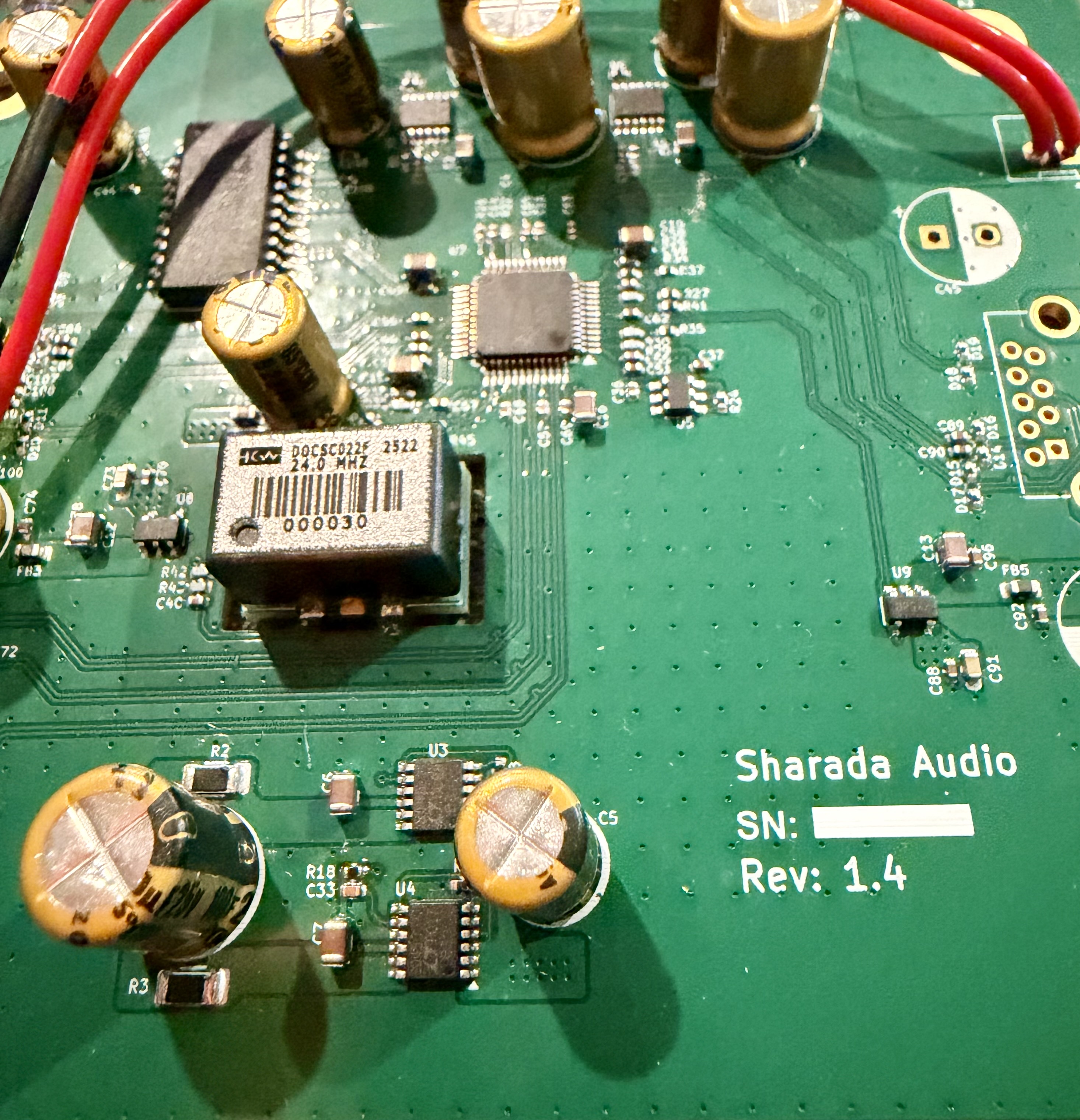
The USB Reclocker is built around three stages: high-speed USB isolation, regenerated downstream USB handoff, and a precision 24.0 MHz OCXO reference. The downstream DAC receives a locally regenerated output instead of a direct cable path from a noisy computer, streamer, or server.

Output choice

Choose USB out, or add AES out when the system calls for it

The AES/EBU output is a configuration choice on the USB Reclocker, not a separate standalone product in the catalog. Use USB output when your DAC's USB input is the right boundary. Choose the AES/EBU output option when you want the reclocker to create the balanced handoff before an AES-first DAC path.

Features

Built around the signal path

USB isolation

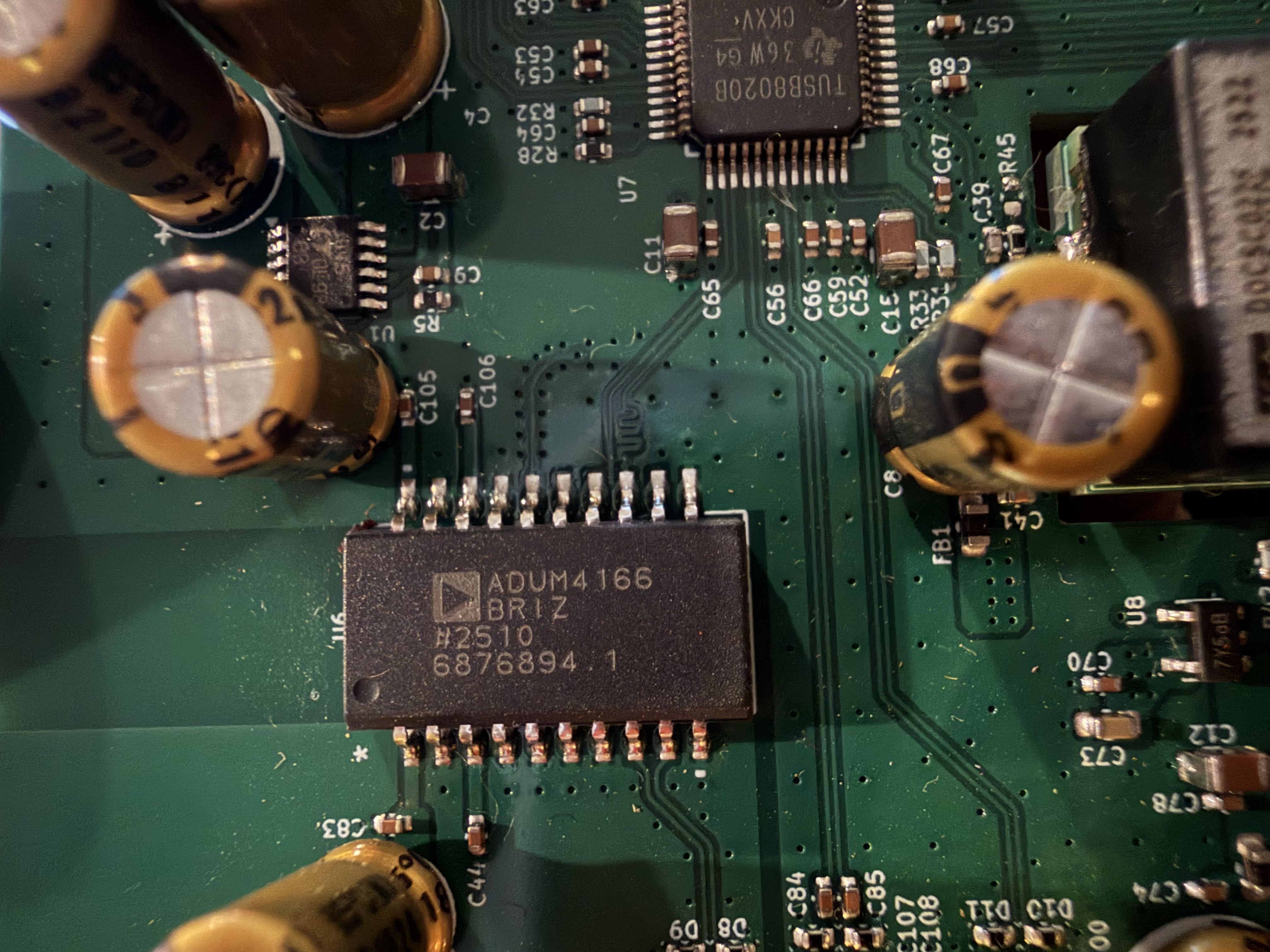
Uses a high-speed USB isolation stage for low, full, and high-speed USB 2.0 across a reinforced digital isolation barrier.

High-speed retiming

The isolation stage redrives and retimes high-speed USB data before the regenerated handoff.

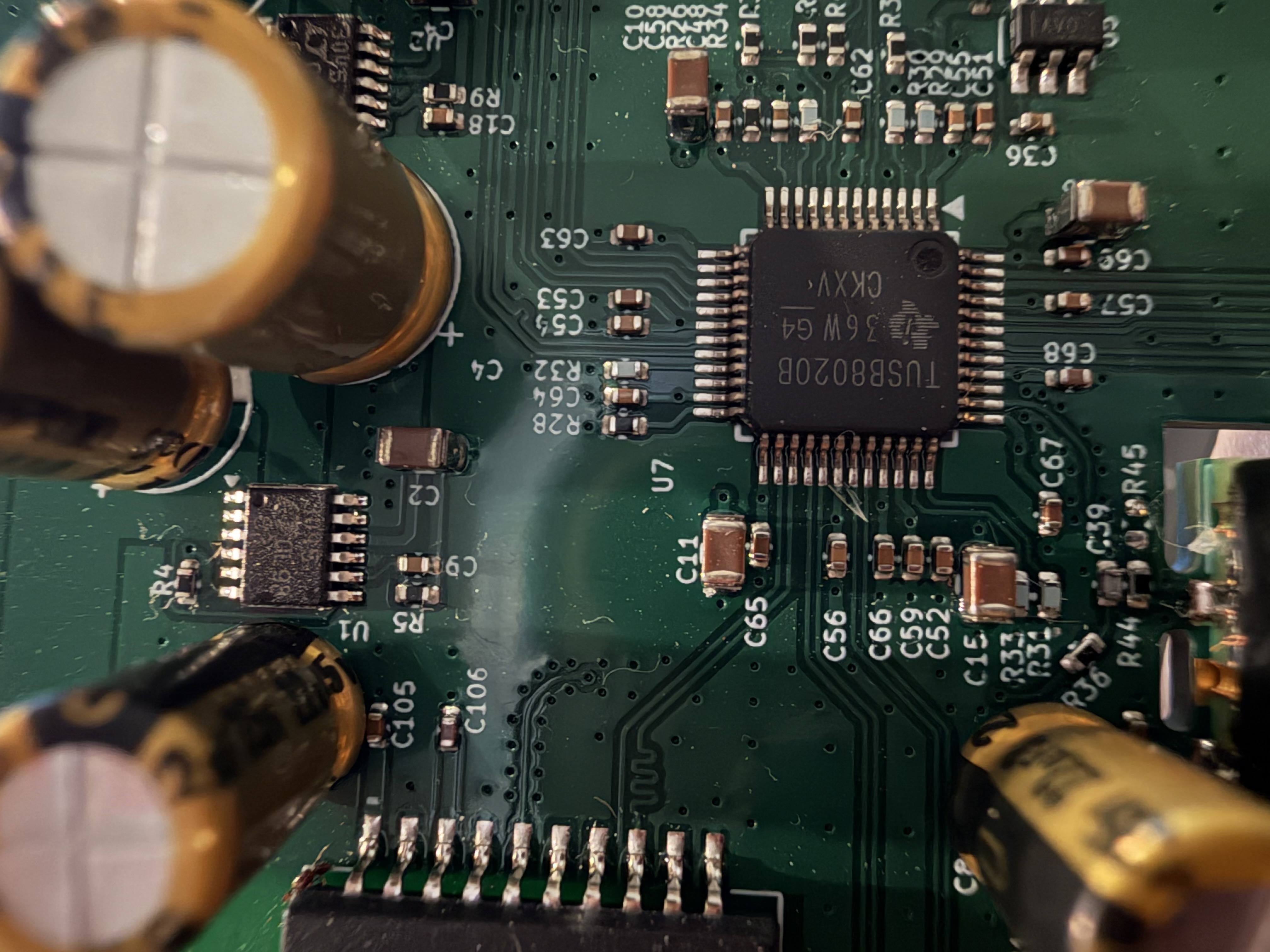
USB regeneration stage

The regenerated USB stage creates the downstream USB connection used by the audio device.

Strong isolation barrier

The isolation barrier brings 5700 Vrms rating, 8.7 mm creepage and clearance, and low typical barrier capacitance into the product.

Noise and surge resilience

The isolation device adds strong common-mode transient immunity and IEC 61000-4-2 ESD behavior across the barrier.

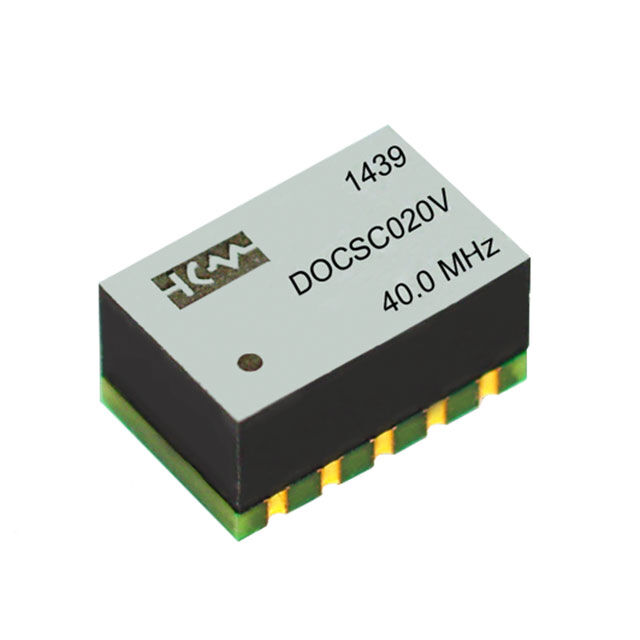
precision oscillator supplier OCXO reclocking reference

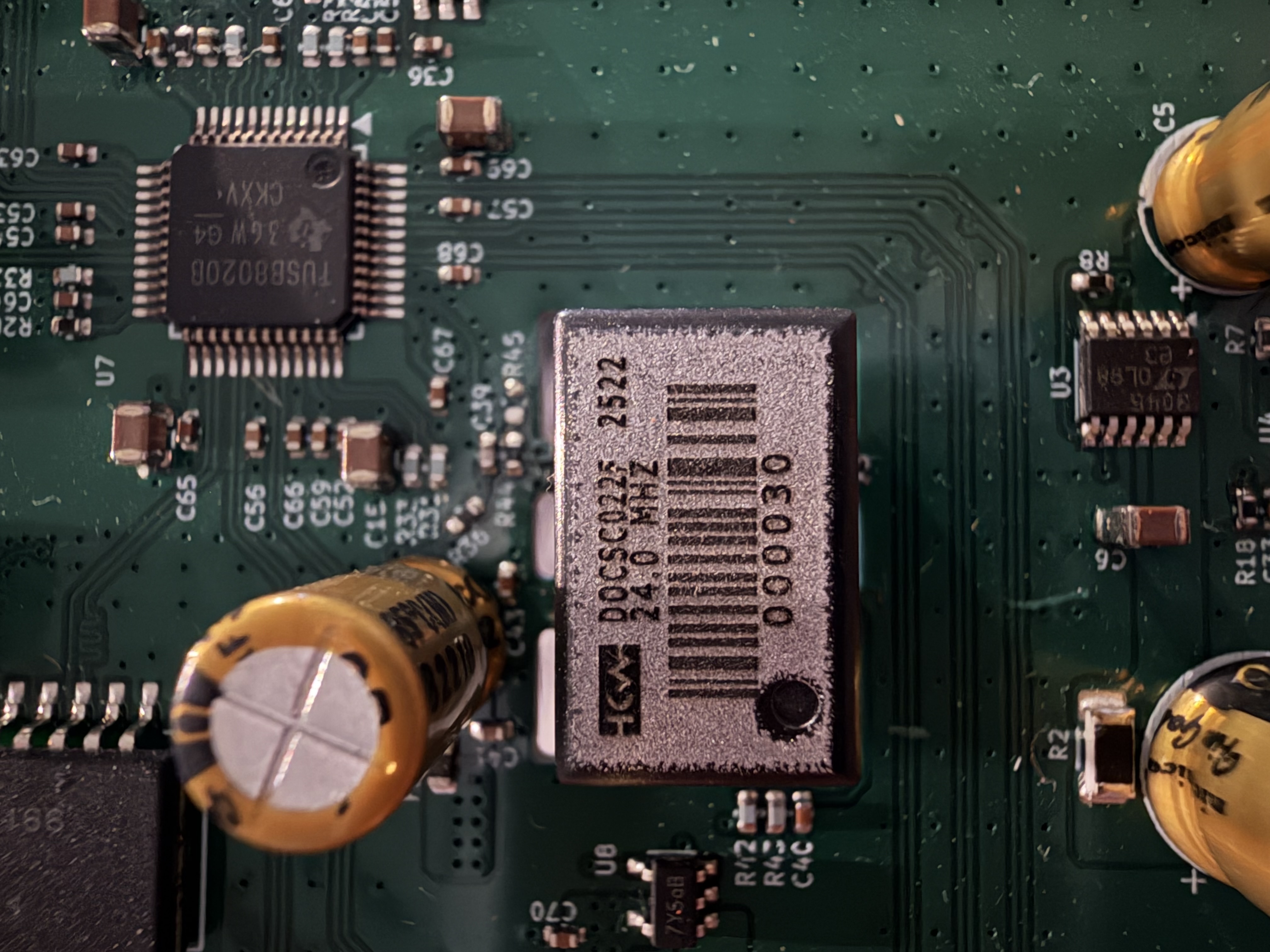
Uses the DOCSC022F 24.0 MHz OCXO as the local reference for the USB regeneration stage.

Optional AES/EBU output stage

Adds a balanced AES handoff when the system should leave the reclocker over AES instead of USB.

Tech specs

Core specifications

Clock and reclocking

12 specs
SpecValueSystem relevance
Clock deviceprecision oscillator supplier DOCSC022FA high-stability OCXO reference anchors the local USB regeneration stage.
Clock frequency24.0 MHzSets the local timing reference for the USB regeneration stage.
Oscillator typeDOCSC Series OCXO with SC-cut crystalAn oven-stabilized crystal oscillator is selected for tight frequency stability and low aging.
Output format3.3 V LVCMOSMatches the digital clock signaling needed by the local reclocking circuitry.
Frequency stability option+/-20 ppbThe local USB reference is held to a stability class well beyond commodity oscillator behavior.
Phase jitter0.25 ps RMS nominal / 0.35 ps RMS max, 12 kHz to 5 MHz bandwidthLow jitter gives the USB hub and retiming stage a cleaner timing foundation for the regenerated link.
Published 24.576 MHz phase noise-70 dBC/Hz at 1 Hz, -96 at 10 Hz, -125 at 100 Hz, -145 at 1 kHz, -151 at 10 kHz, -154 at 100 kHz, -155 at 1 MHzThe datasheet's nearest DOCSC reference column shows the low phase-noise behavior expected from this oscillator family.
Supply voltage3.13 V to 3.47 V, 3.30 V nominalThe clock is supplied from local regulation rather than computer USB bus power.
Duty cycle45% to 55% at 50% of VccThe clock waveform is controlled at the local timing stage.
Rise/fall time6.5 ns max, 10% to 90%Defines the edge behavior of the LVCMOS clock output feeding the local timing stage.
Warm-up time60 s at 25 C; 90 s at -40 COCXO performance stabilizes after warm-up, which is normal for oven-controlled clocks.
Power consumption2.5 W turn-on / 1.1 W steady-state at 0 C to 70 C; 3.0 W / 1.3 W at -40 C to 85 CShows the clock is an active precision reference with its own thermal operating behavior.

USB architecture

6 specs
SpecValueSystem relevance
Primary USB hub controllerUSB regeneration stage two-port USB 3.0 hubThe TI hub stage creates the regenerated downstream USB connection.
USB isolation deviceHigh-speed USB 2.0 digital isolation stageThis barrier breaks the direct electrical path from source to DAC side.
USB 3.0 supportSuperSpeed USB hub architecture, up to 5 Gbps device capabilityThe product remains compatible with modern USB hosts while the downstream connection is audio focused.
USB 2.0 data ratesLow speed 1.5 Mbps, full speed 12 Mbps, high speed 480 MbpsCovers the USB 2.0 modes commonly involved in USB audio links.
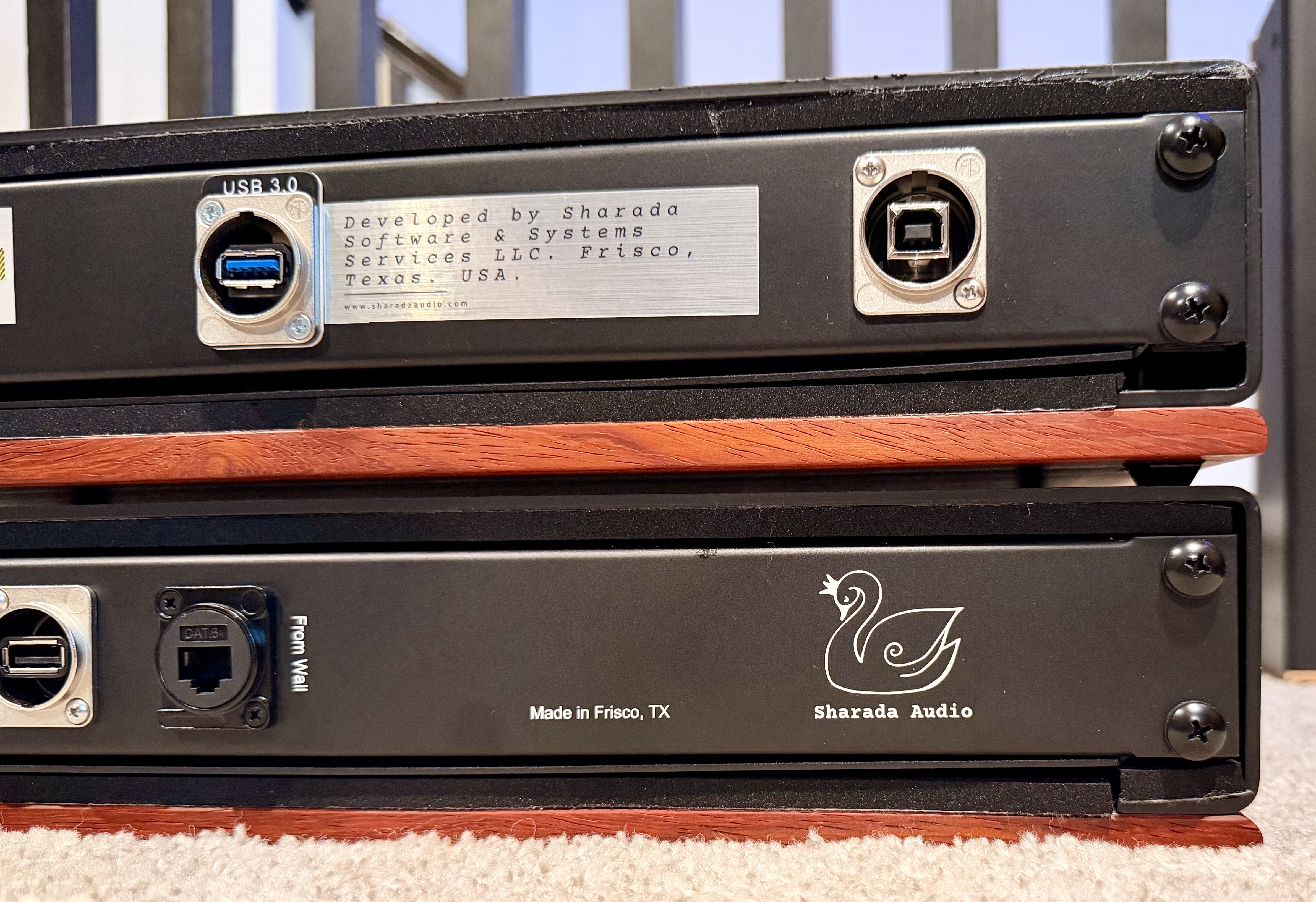
USB placementBetween streamer, server, or computer and USB DAC, or configured with AES outputConditioning is placed at the USB link that commonly carries source noise into the audio device.
Downstream roleRegenerated USB handoff or optional AES/EBU outputThe DAC sees either the local regenerated USB connection or the configured AES output path.

Output configuration

3 specs
SpecValueSystem relevance
Standard outputRegenerated USB audioKeeps the system in USB when the DAC's USB input is the desired boundary.
Optional outputAES/EBUConverts the regenerated USB handoff into a balanced AES output for AES-first DAC systems.
Configuration roleUSB reclocker with AES output optionThe AES stage is an option on the reclocker, not a separate standalone product.

Isolation strength

11 specs
SpecValueSystem relevance
Rated dielectric isolation5700 Vrms for 1 minuteShows the isolation barrier is specified far beyond normal USB voltage levels.
Working insulation voltage600 Vrms / 849 V peakIndicates the reinforced isolation rating for continuous operating conditions.
Transient isolation voltage8000 V peakImproves resilience against short-duration voltage events between source and DAC side.
Surge isolation voltage12800 V peakAdds margin against high-energy events crossing into the audio component.
Creepage and clearance8.7 mm minimumPhysical spacing supports a stronger isolation barrier between source and audio-side domains.
PCB clearance8.1 mm minimumMaintains meaningful separation between the noisy upstream USB side and the regenerated output side.
Barrier capacitance2.2 pF typicalLower capacitance reduces high-frequency noise coupling across the isolation barrier.
Barrier resistance10^12 ohm typicalVery high resistance limits DC leakage between the two USB domains.
Comparative tracking index>600 V, Material Group IReflects the insulation material class used for the isolation package.
Common-mode transient immunity50 kV/us typicalHelps the USB link stay stable when fast common-mode noise appears across the barrier.
ESD rating across barrier+/-8000 V IEC 61000-4-2Protects the isolated link from static discharge events during real-world handling.

Retiming and signal behavior

7 specs
SpecValueSystem relevance
High-speed propagation delayLow propagation delay through the USB isolation stageThe isolation stage preserves predictable high-speed USB timing behavior.
High-speed rise/fall time675 ps typicalFast edges help preserve a clean USB eye pattern at the receiver.
High-speed differential jitter40 ps rms / 90 ps peak, next-transition specificationA useful indicator of how much timing variation the USB isolator contributes.
Paired J-K jitter11 ps rms / 30 ps peakShows controlled jitter behavior on one high-speed USB transition pair.
Paired K-J jitter14 ps rms / 40 ps peakComplements the paired transition measurement for a fuller timing picture.
Full-speed propagation delay110 ns typicalFull-speed USB behavior remains predictable through the isolation stage.
Full-speed differential jitter450 ps typical, next-transition specificationDocuments timing stability for full-speed USB operation.

Power and operating envelope

8 specs
SpecValueSystem relevance
Isolator bus-side supply range4.5 V to 5.5 V VBUS operationMatches the normal USB bus-power range on the source side.
Isolator local supply option3.0 V to 3.6 V operation on each sideIsolated local supply domains are used rather than relying only on upstream USB power.
Isolator idle current48 mA typical at high speed; 21 mA typical at low/full speedHelps size the local power stage without stressing the USB connection.
Isolator temperature rating-55 C to +125 C component operating rangeThe component margin suits a fanless audio enclosure.
USB hub supply rails3.3 V and 1.1 V device railsSeparates hub logic power from the USB connection itself.
USB hub temperature rating0 C to 70 C commercial device; -40 C to +85 C industrial variantShows the controller family is available for normal and wider-temperature builds.
USB power managementThe USB regeneration stage supports controlled downstream power behavior and over-current status inputsDownstream port behavior is actively managed rather than left as a passive cable path.
Charging capabilityThe USB regeneration stage supports configurable downstream charging modes when configured for that useDocuments controller capability even though audio use is focused on data integrity.
System fit

Fit and voicing

RoleA USB conditioning stage for electrically busy computers, streamers, and servers.
Source sideComputer, streamer, and music-server USB outputs where bus noise and ground leakage can follow the signal.
DAC sideThe DAC receives either an isolated, regenerated USB connection or the optional AES/EBU output.
Chain fitFinal USB conditioning stage for USB DACs, or AES output stage when the system should feed an AES DAC.
What to listen forLower hash from the source side, a more settled stereo image, cleaner leading edges, and less glare in systems that are sensitive to USB noise.