

 songScout
A native iPhone and iPad app for finding music through hidden relationships between artists, albums, instruments, recordings, and listening paths, with private local and NAS library discovery.
Boutique streamers, reclockers, DDCs, DACs, volume control, and amplification for listeners who care about the whole digital path.
Sharada Audio showed every Level 2 Custom product at Southwest Audio Fest 2026. Watch the system and products in the room.
We separate library, discovery, playback, and reproduction so each part has a clear job. Storage and indexing belong upstream. Discovery and control should help you choose music. The playback host should stay light. The hardware chain should protect power, timing, conversion, and the DAC-facing handoff.
Our hardware is for reproduction. Our software helps with discovery, local playback, and control, without pretending the app is the audio system.
songScoutA native iPhone and iPad app for finding music through hidden relationships between artists, albums, instruments, recordings, and listening paths, with private local and NAS library discovery.

 playDesk
A free Windows local music player that turns a PC, mini PC, or NUC into a playback host with browser remote control and optional UPnP/DLNA renderer mode.
Our gear uses linear power supplies, AC mains filtering, tight regulation, and rails matched to the circuit being powered. We choose the larger, quieter path where it helps clocks, USB stages, DAC conversion, analog handoff, and musical dynamics.
When the chain is matched, digital playback opens into tone, space, scale, and ease.
Good digital audio is not created by one impressive box. We decide how music is stored, found, played, transferred, converted, controlled, and amplified—then design each part to serve that complete system.
We separate storage, music discovery, playback, conversion, volume control, and amplification first. Each component then has one clear job, and the final audio path avoids unnecessary duplication and compromise.
A music source should not behave like a busy everyday computer. We favor focused playback hosts, stable input and output, and long-term software configurations that keep background activity away from the listening path.
We match transformers, reservoir capacity, regulation, filtering, grounding, and dedicated rails to the real load. Clocks, digital interfaces, DAC conversion, and analog stages receive power designed around their particular work.
USB remains valuable for flexibility and native DSD. For PCM playback into a compatible DAC, we prefer a balanced AES/EBU handoff when it gives the system a cleaner electrical and functional boundary.
Grounding, internal wiring, connector placement, thermal behavior, I/O panels, enclosure work, and service access are part of the design—not details left until the circuit is finished.
songScout helps you understand and choose music. playDesk turns a Windows machine into a focused player, streamer, and optional UPnP renderer. The software supports the audio system without pretending to replace careful hardware design.
Reference tracks keep evaluation honest. We use music that exposes timing, scale, imaging, bass articulation, vocal texture, timbre, and low-level resolution across the whole chain.
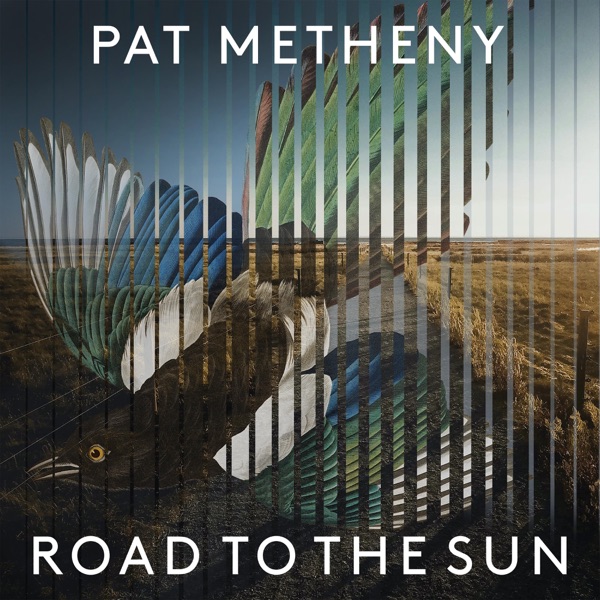
Jason Vieaux / Pat Metheny
Road to the Sun
String attack, harmonic bloom, finger detail, and body resonance.
Classical guitar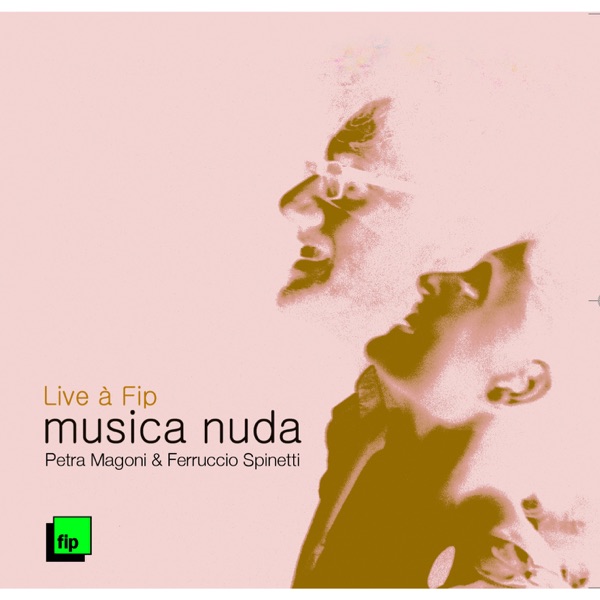
Petra Magoni / Ferruccio Spinetti
Musica Nuda - My Favorite Tunes
Voice-to-bass balance, image focus, and natural acoustic pressure.
Voice, double bass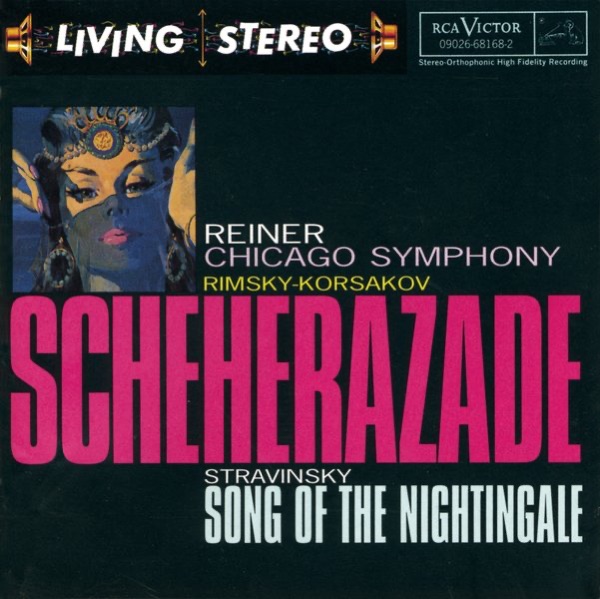
Fritz Reiner / Chicago Symphony Orchestra
Rimsky-Korsakov: Scheherazade / Stravinsky: Song of the Nightingale
Orchestral layering, hall depth, low-level texture, and tonal color.
Chicago Symphony Orchestra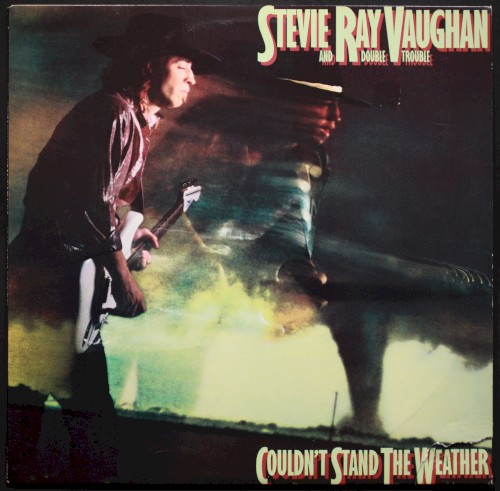
Stevie Ray Vaughan & Double Trouble
Couldn't Stand The Weather
Guitar bite, amplifier texture, vocal presence, bass weight, and drum space.
Electric guitar, bass, drums, vocal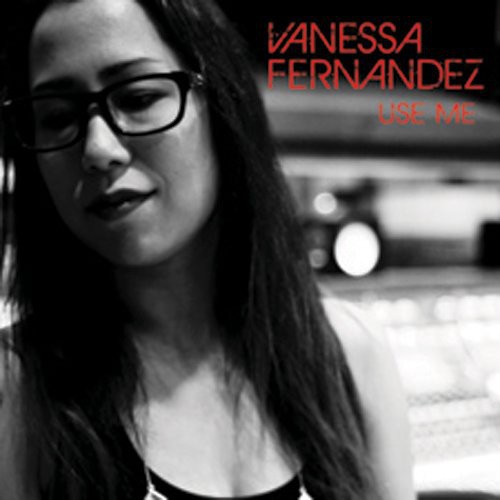
Vanessa Fernandez
Use Me
Vocal density, bass punch, studio layering, and polished high-frequency detail.
Voice, electric band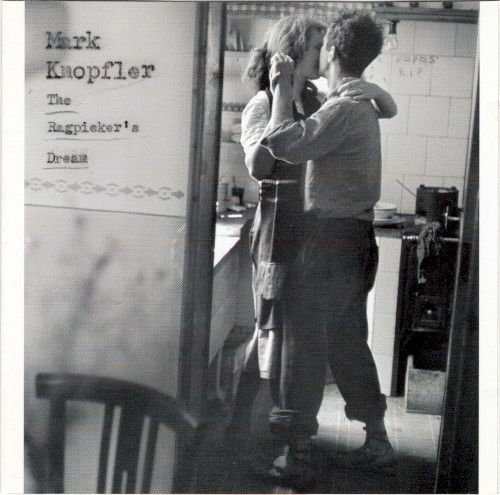
Mark Knopfler
The Ragpicker's Dream
Narrative vocal image, guitar texture, bass foundation, and relaxed drive.
Voice, guitar, rhythm section
