What it isPrecision analog volume control
This stage controls volume entirely after D/A conversion, so the music stays in the analog domain once it leaves the DAC. The level control is digitally commanded, but the audio path remains analog: fine 0.5 dB steps, precise left/right tracking, zero-crossing level changes, and enough attenuation range to move from late-night listening to full-system level without coarse jumps.
System matchBuilt for modern high-output DACs
Many DACs and studio-grade output stages can run hotter than traditional hi-fi inputs expect. This attenuator gives the system a clean analog place to set level before the amplifier, with more than 18 dB of headroom above +4 dBu, low residual noise, and balanced signal handling for systems where cable length, grounding, and channel balance matter.
Volume control choice
Why not a conventional potentiometer
Stable channel balance at low levels
Traditional carbon potentiometers often show their weakest behavior at low listening levels, where small tracking errors pull the image left or right. This precision analog control keeps both channels moving together, which matters in systems with high-gain amplifiers or high-output DACs.
Repeatable settings without mechanical wear
A conventional wiper can wear, oxidize, and become scratchy over time. This design gives repeatable level positions without relying on a mechanical contact sliding through the audio path.
Silent adjustment in a revealing system
Zero-crossing volume changes and controlled ramp behavior keep adjustment noise out of the listening experience, especially when changing level during quiet passages.
Tech specs
Core specifications
Level control
6 specs
Audio performance
6 specs
System interface
5 specs
Quiet control needs quiet power
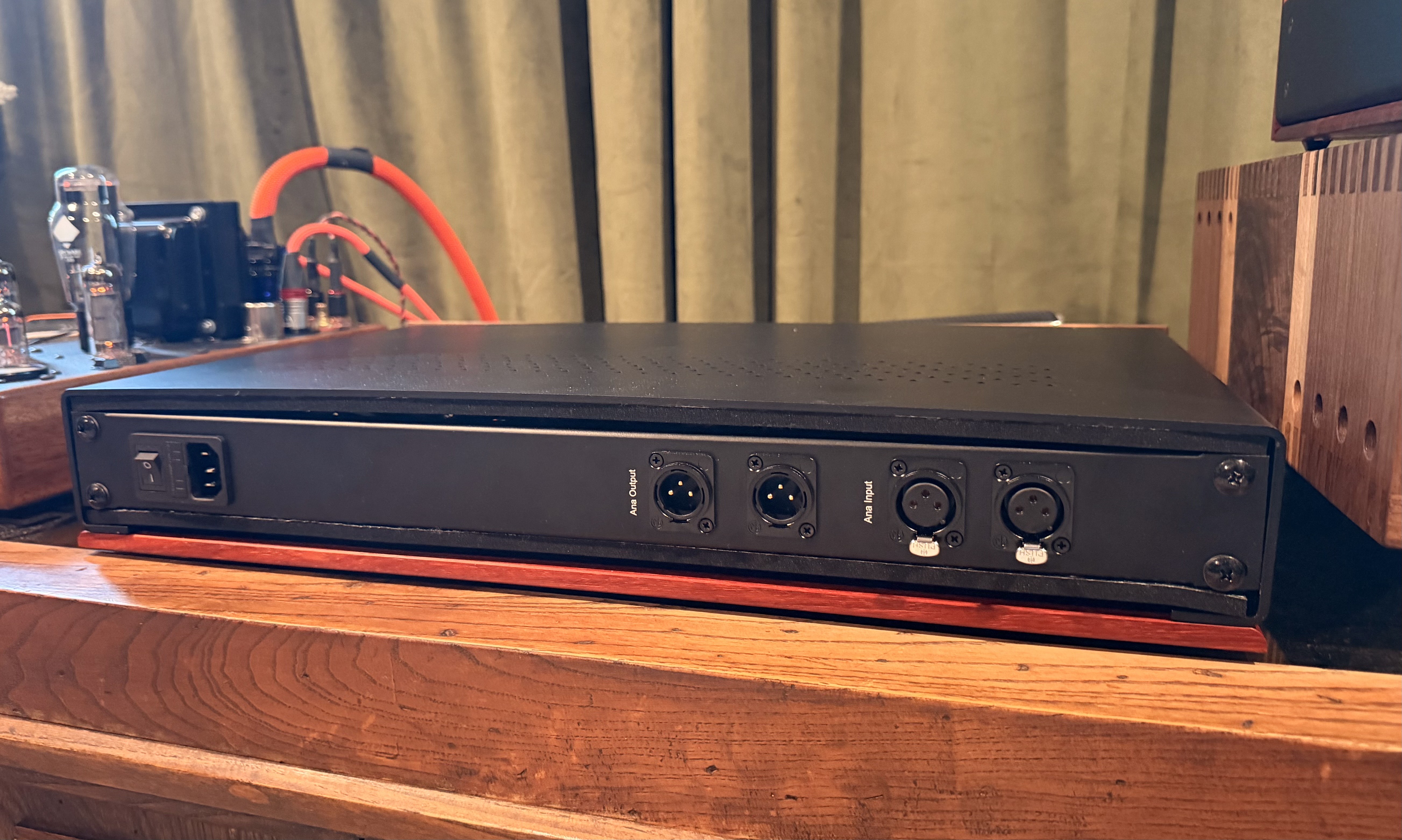
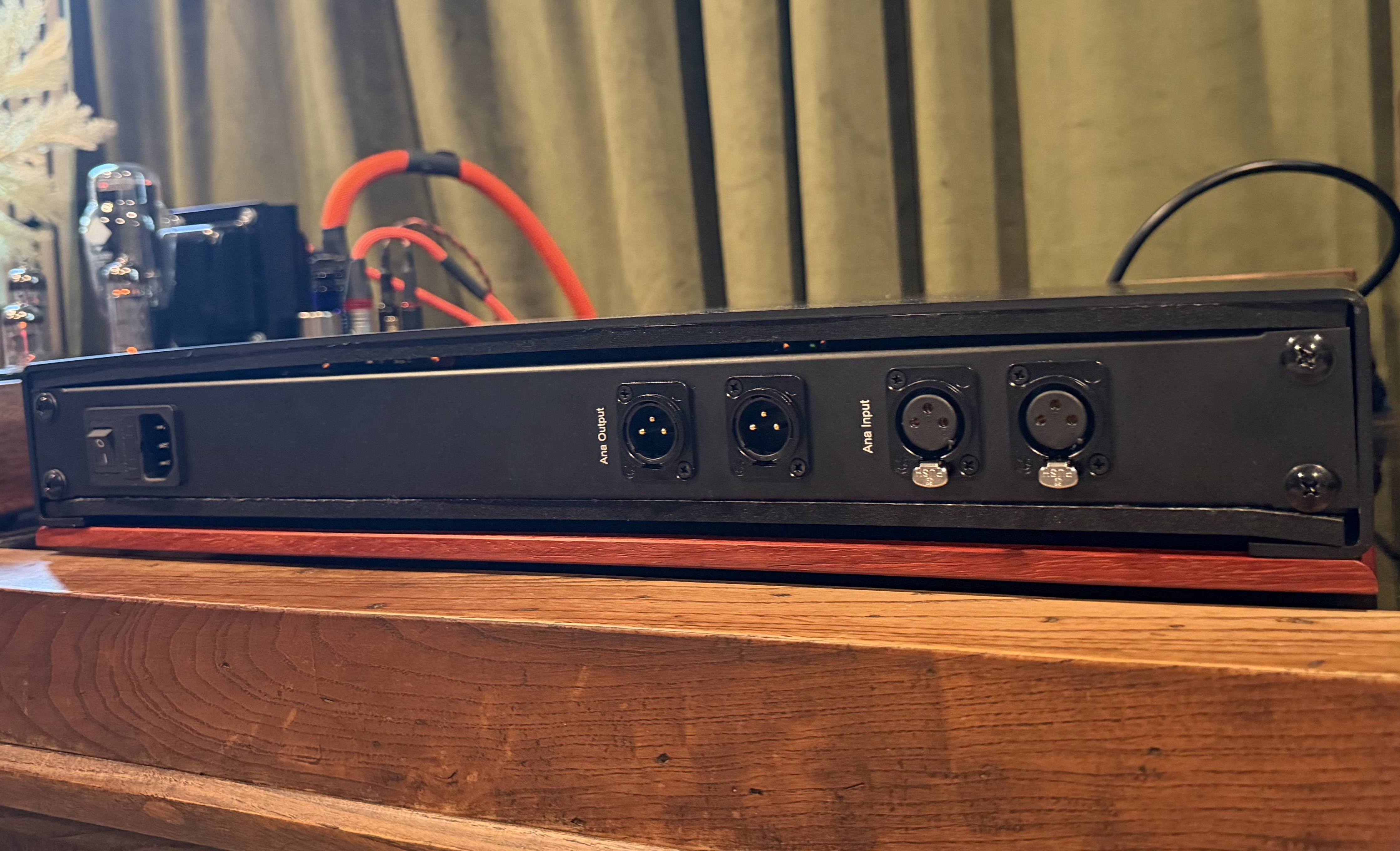
The volume stage handles line-level analog signal after conversion, so power, grounding, shielding, and connector layout are treated as part of the control stage. Clean rails and careful physical layout help preserve low noise, channel separation, and stable gain behavior.